On page off page technical desktop & mobile SEO checklist 2026 shared. It shows ideal standards for every parameter, helpful for seo beginners to experts.
Ideal length & count for: meta tag, title, h1, image size, sitemap, disavow, robots.txt, alt text, redirect, url length, page load time, core web vitals, GBP, click depth, density, crawl budget etc. SEO practitioners can implement all the settings & see the growth with the time.
2026 Desktop and Mobile SEO Checklist Limits
The below SEO checklist is for mobile and desktop versions, before optimizing your website make sure to follow these checklists so your website performs better.
All the parameters are for both website and mobile.
This seo checklist covers on page, off page and technical seo limits given below:
Meta title (H1) – Heading tags falls under basic on page seo checklist. It’s a heading (H1) of your posts. Every post has a heading called H1, and the ideal meta title character limit in seo is between 50 to 60 characters only.
Don’t get confused between meta title and page title both are same. Put unique title tag to avoid keyword cannibalization.
H1 count per post – There should be only one Heading (H1) in a post. It works for websites and mobile.
H2 & H3 – Heading 2 and heading 3, used to structure content. Up to 50 to 70 characters for easy readability and SEO.
Meta Description – It’s a brief description just below the heading 1 (H1) i.e main title of the post. As per seo meta description length is 160 characters. Exceeding it may result in SERP results, so make sure to put words accordingly.
Image file size – Sites usually load fast due to low LCP scorers. LCP means largest content painful. Generally larger images and elements that are on the above portion of the website. To achieve LCP you must optimize images. SEO optimized images are generally under 100 kb, webp images are the lightest images and recommended by seo experts like Neil Patel.
Site map – Its a map of your site for google crawlers. It also has a size and, seo sitemap size should be lower than 50 MB or 50k url’s/sitemap.
Disavow file – Option given by google in search console to block the bad sites that intentionally link your site. By blocking you tells google dont count those links as your backlinks as made by bad sites to harm your sites. The disavow file size should be lower than 2 mb, so make sure how many sites you are disavowing.
Robots.txt – You can block certain parameters to get an index in google. For example, category is not needed so people don’t index them & use robots.txt for not indexing them.
Alt text – Google crawlers can’t see images they can read, so alt text is a good seo practice to make your images indexed and searchable. When anyone gives a name to an image that is called alt text. It should be lower than 120 characters.
Anchor text – It’s a clickable text of the hyperlink, no hard limit.
URL length – As per good SEO practices 50 to 60 characters are ideal.
Redirect Hops – When a person clicks to open a website or clicks any post, page or category. After that a number of times the url is redirected before reaching the destination is called redirect hops, fewer is better.
Page load time – How long a page/post takes to fully load for a user. It’s a time calculation for a page to fully load. Faster is better for SEO and UX.
Core web vitals – Google key page experience matrics: LCP – loading speed, INP – interactivity, and CLS – visual stability. LCP lower than 2.5s, INP lower than 200ms and CLS lower than 0.1.
Page size – Its a weight of a web page: HTML, CSS, JS, Image and Fonts, smaller is better. Lower than 3 mb.
Click depth – Number of clicks needed to reach the destination page from the homepage. Lower number of clicks to reach the destination page is better for SEO & crawlability.
Keyword density – It’s a percentage of time a keyword appears in the content. Natural keywords are highly valuable keywords whereas intentionally put keywords are waste.
Content length – Total number of words on a page, ideal 600 words for a blog post.
Internal links – Links that perform as a bridge between pages and posts in the same site. 5 to 7 internal links are good enough per post. Good for SEO, crawlability and pass link juice.
Crawl limit per page – Highest number of url’s search engine crawlers crawls on a particular page/post. Good to keep site structure clean, good navigation to make sure all important pages are crawled.
Crawl budget – A crawl budget for every website is allocated by google depends on a number of pages search engine crawls and indexes in your site within a given time frame. The option to check crawling budget is available in google search console. 1,000 rows per report export
Google search console – Free Google tool to monitor and analyse your websites search performance. It also gives keywords people are searching related to your site. It always gives error notifications that you can check and fix.
Google business profile – A free tool to register your business on Google map. Listing business in GBP is helpful to boost local visibility.
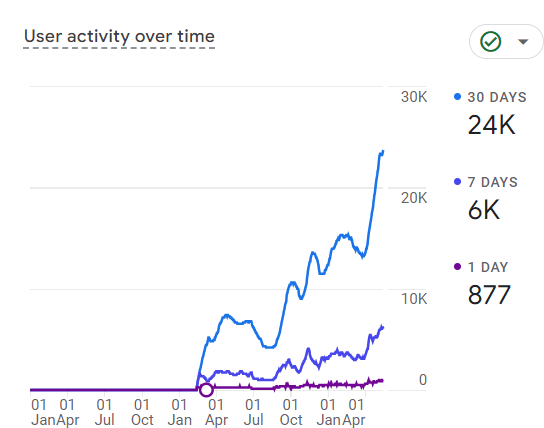
Google analytics – Free tool by google to analyze your content, keywords and whole websites performance. You can see live user count, their queries and places.
Schema markup – It’s a type of structured data in JSON form that helps crawlers to read and understand the content easily required for rich results.
Pagination limit – It’s to avoid duplicate content issues.
HTTPS/SSL – Required for user trust, data protection and SEO. HTTPS secures the site whereas http shows warning messages to users.
Canonical tags – Preferred url of a page that prevents duplicate content issues, 1 canonical tag per page to avoid duplicate content issues.
SEO Limits Checklist Mobile Desktop
Desktop and mobile SEO best practices are given under the below checklist. Its for old, established and for new websites.
- Meta Title – 50 – 60 chars (Desktop) | (Mobile).
- Title & H1– 1 Title tag & 1 H1 per page.
- Page Title Length – 50 to 60 characters.
- H2 & H3 – Up to 50 to 70 characters.
- Meta Description Length– Lower than 160 chars (Desktop) | (Mobile).
- Image File Size – Lower than 100 KB (Web-optimized).
- Sitemap – Lower than 50 MB | 50,000 URLs per sitemap.
- Disavow File – Lower than 2 MB | 100,000 URLs.
- Robots.txt – Lower than 500 KB.
- Alt Text – Lower than 120 characters (descriptive).
- Anchor Text – No hard limit.
- URL Length – Lower than 2,000 characters. In simple words 50 – 60 characters is ideal.
- Redirect Hops – Highest 5 (ideal: 1–2).
- Page Load Time – Desktops: ≤3s | Mobile: ≤2s.
- Core Web Vitals – LCP <2.5s | INP <200ms | CLS <0.1.
- Page Size – Lower than 3 MB.
- Click Depth – Lower than 3–4 clicks from the homepage.
- Keyword Density – No fixed %, use naturally
- Content Length More than 600 + words (quality > quantity).
- Internal Links – 5 – 15 per page (good as typical best practice, not a rule) .
- Crawl Limit per Page Up to 15 MB (HTML only).
- Crawl Budget – Few thousand pages/day (site-dependent).
- Google Search Console – 1,000 rows per report export | ≤1,000 rows | 500 sitemaps.
- Google Business Profile – Name ≤100 chars | Desc ≤750 | Photos ≤250.
- Google Analytics 4 – Up to 10M events /month/property.
- Schema markup – Required for rich results. More than 1 can be implemented in a page.
- Pagination limit – Rel = prev/next or proper indexing.
- HTTPS/SSL – Required for SEO, security and trust.
- Canonical tags – 1 per page to avoid duplicate content issues.
You can use the above SEO checklist for blog posts ranking increase.
Targeted SEO services limited Search Engine Optimisation DaddyBlogs
Targeted seo services limited – google maps marketing strategies are practiced to grow your business. We are a registered firm and provide seo services globally.
Conclusion – A detailed SEO checklist for 2026 is shared here. All important terms with their ideal length and meaning are given, helpful for improving websites performance regularly. You can practice this for a year and expect good growth.